Proper Hydration: More Than Just Water
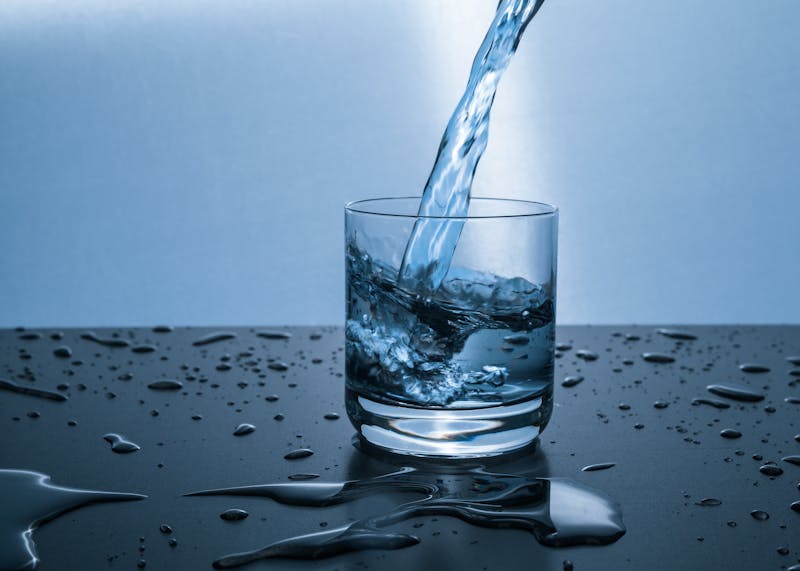
Optimal hydration also includes natural infusions.
Although we all know we need to drink water, proper hydration is an essential pillar of healthy nutrition, often neglected or oversimplified. It's not just about the quantity of fluids, but also about quality, timing, and sources.
Your Body's Signals
Before you feel intense thirst, the body sends subtle signals: fatigue, lack of concentration, or even mild headaches. Listening to these signals and taking preventive action is key.
Practical tip:
Place a jar or reusable water bottle on your desk. Seeing it will remind you to drink small amounts consistently throughout the day.
Diverse Sources of Hydration
Still water remains the best choice, but it's not the only one. This is where infusions with fresh fruits (like lemon), sugar-free teas, and even light soups come in. They also bring valuable micronutrients.
- Lemon water in the morning: Helps balance pH and stimulates the digestive system.
- Herbal teas (mint, chamomile): Calm and hydrate without caffeine.
- Fruits and vegetables with high water content: Cucumbers, watermelon, spinach – contribute significantly to the daily requirement.
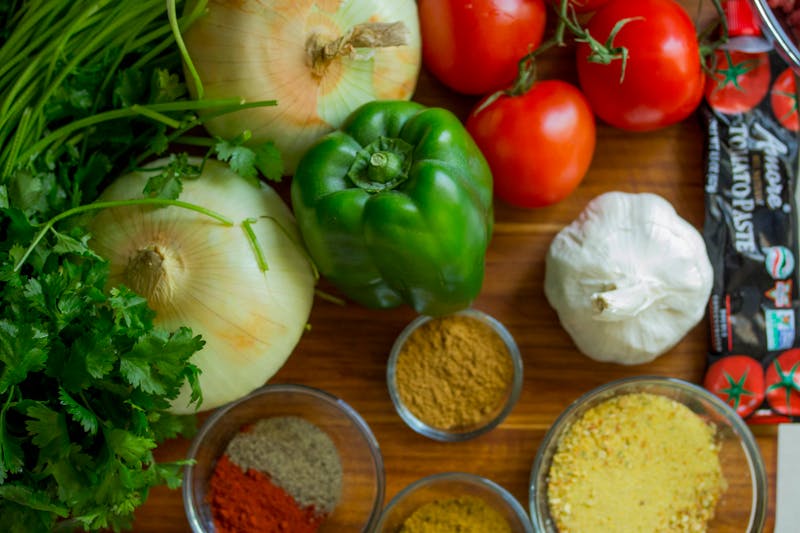
Fresh food also contributes to hydration.
How to Calculate Your Personal Need?
A simple basic rule: 30-35 ml of water per kilogram of body weight. For a person weighing 70 kg, that means approximately 2.1 - 2.5 liters per day. This amount increases with physical activity, ambient temperature, or in the case of particular conditions.
It's important to divide this amount throughout the day, avoiding massive intake at once.
Conclusion: Hydration is an art of consistency and variety. Integrate these simple practices into your daily routine for more energy, brighter skin, and optimal digestion.