Optimal Hydration: More Than Just Water
While we all know we need to drink water, proper hydration involves a deeper understanding of the body's needs and the sources of fluids in our diet. This is the key to energy, clear cognitive function, and healthy skin.
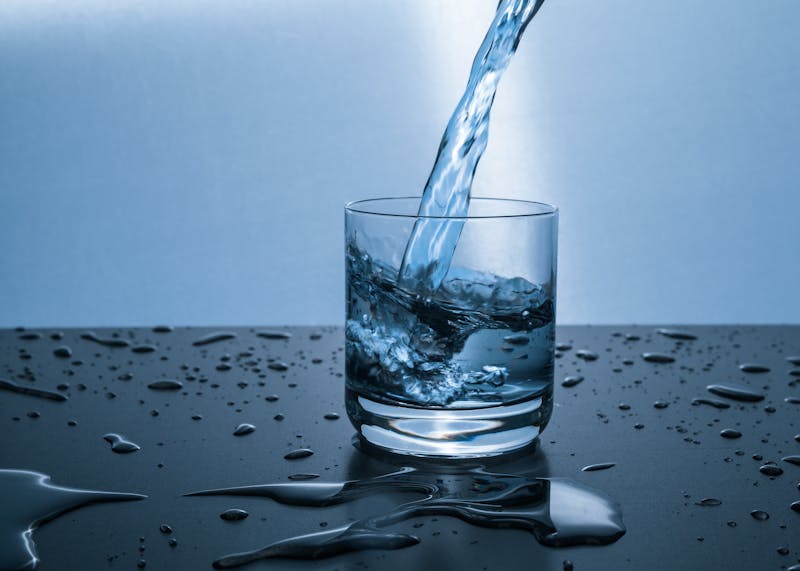
Your Body's Signals
Thirst is often a late sign of dehydration. Other more subtle signs include fatigue, mild headaches, dry skin, or diminished concentration. Listen to your body before you reach the point of being thirsty.
Hidden Sources of Hydration
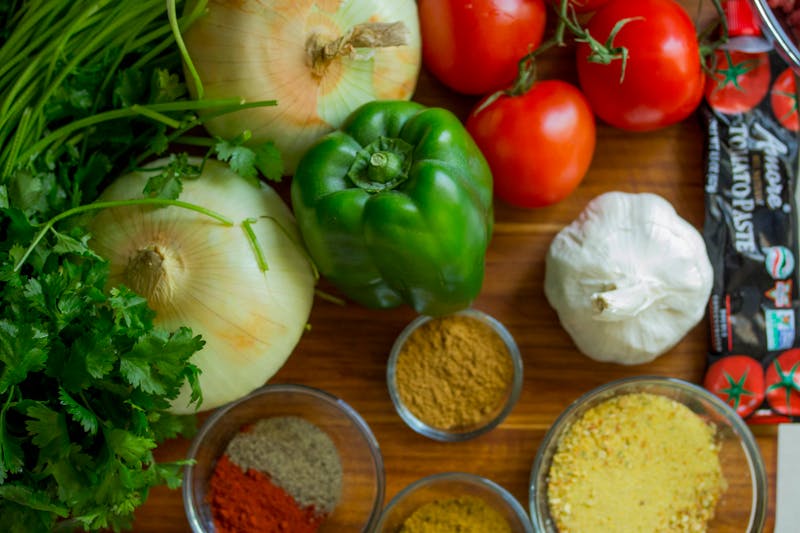
Approximately 20% of our fluid intake comes from solid foods. Fresh vegetables and fruits are excellent in this regard:
- Cucumbers and green lettuce contain over 95% water.
- Watermelon and strawberries are delicious and hydrating.
- Homemade soups and borscht add a significant amount of fluids.
How to Calculate Your Personal Needs
A simple basic rule is 30-35 ml of fluid per kilogram of body weight. For a 70 kg person, this means between 2.1 and 2.5 liters per day. This amount increases with physical activity, ambient temperature, or in the case of specific conditions.
Practical Tip:
Start your day with a large glass of water at room temperature. Keep a water bottle on your desk and set small reminders to take a few sips every hour.
Hydration is a fundamental pillar of healthy nutrition. By integrating these principles into your daily routine, you will support all of your body's functions and truly feel full of energy.